
Bipolar Disorder Advice: Find Guidance, Hope, and Someone Who Understands
It can feel like you’re fighting a war by yourself when you have bipolar disorder. The mood swings, the energy crashes, and the nights that never end can make you feel like you have no hope. I understand this pain because I’ve experienced it myself. I’m not a doctor, but I do know what it’s like to have bipolar disorder, depression, rejection, and deep loneliness. And today, I want to give you some simple bipolar disorder advice that I’ve learned from my own experiences, faith, and survival. I want you to know that you don’t have to go through this journey alone if you feel alone. You can reach me at any time, and I’ll do my best to assist you.
What Is Bipolar Disorder?
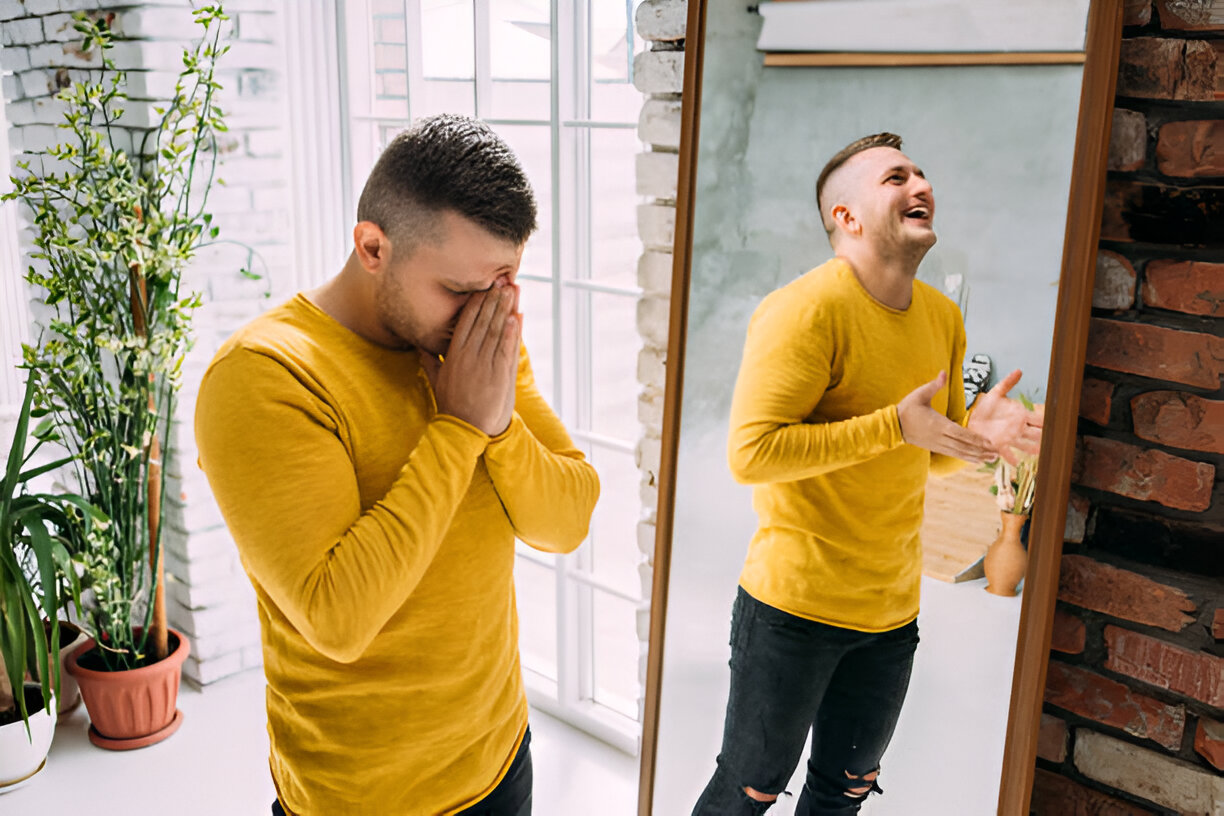
People with bipolar disorder have very strong mood swings. These swings include periods of mania, when a person feels full of energy, talks fast, and might even take risks without thinking. It also includes times when you feel depressed, like life is empty, hopeless, and draining. These changes are more than just normal ups and downs. They are strong enough to change work, relationships, and everyday life. A lot of people who have this condition don’t even notice the changes until they’ve already hurt their stability. That’s why it’s so important to get the right bipolar disorder advice.
Bipolar Disorder Advice from Real Life
I am not a doctor, but I have lived with the painful ups and downs of bipolar disorder for a long time. My advice comes from real-life battles, not from books. One of the most important things I’ve learned is to always take my medicine. When you feel better, it can be tempting to stop, but that often makes things worse later. It’s better to consult a doctor than to stop suddenly if the side effects are severe.
Stay Consistent with Medication
When you feel better, it can be tempting to stop, but that often makes things worse later. Always consult a doctor before making changes.
Track Your Patterns
Keep a simple mood diary. Write down how you feel every day. It helps identify patterns and prepare for what's coming
Build Your Support Network
Having one person you can trust can make a big difference. Don't let shame keep you from reaching out for help.
Create a Daily Routine
Regular sleep, a balanced diet, and daily exercise help maintain mental and physical balance. Even a short walk makes a difference.
Practice Self-Compassion
Remind yourself that this illness is not your fault. Be gentle with your mistakes, celebrate small steps forward, and treat yourself with the same kindness you’d offer a friend.
Find Strength in Faith
Spiritual strength manifests differently for each person, but it can serve as a powerful foundation for healing and growth.
Tips for Friends and Family
People who have bipolar disorder are not the only ones who are affected by it. The best thing I can advise you to do if you are helping someone with this condition is to listen to them without judgment. You can’t choose to change your mood, and fighting won’t help. Instead, gentle encouragement to keep going with treatment and loving reminders that recovery is possible can help during the hardest times.
You can’t choose to change your mood, and fighting won’t help. Instead, gentle encouragement to continue with treatment and loving reminders that recovery is possible can help during the hardest times.

Practical Tips for Everyday Life
People with bipolar disorder have to deal with problems every day. Instead of making big leaps, I suggest taking small steps. You can feel like you’re making progress by setting one simple goal each day. When your mind is cloudy, writing down your feelings in a journal can help you see things more clearly. When words aren’t enough, listening to music that sends messages of hope can lift your spirits and bring you peace. It’s also important to stay away from drugs and alcohol because they can make symptoms worse and harder to control. One of the best things you can do is ask for help early on.
Set Small Daily Goals
Instead of making big leaps, take small steps. Setting one simple goal each day can help you feel like you're making progress.
Journal Your Feelings
When your mind is cloudy, writing down your feelings can help you see things more clearly and track patterns.
Find Hope in Music
When words aren't enough, listening to music that sends messages of hope can lift your spirits and bring peace.
Avoid Substances
Stay away from drugs and alcohol as they can make symptoms worse and harder to control.
Protect Your Sleep
Sleep is one of the biggest keys to stability. Try to go to bed and wake up at the same time every day. Even one night of poor sleep can trigger mood swings, so make rest a priority.
Ask for Help Early
One of the best things you can do is reach out for help early on. Don't wait until it becomes overwhelming.
Why I Believe Faith Is Important
My faith has kept me steady. God has been my personal doctor since I was a child because He has been with me through every storm. When medicine didn’t work and people weren’t there for me, prayer, scripture, and songs of hope gave me strength. Faith is not separate from mental health for me; it is a part of healing. That’s why I always tell people with bipolar disorder to pray and meditate. You may find strength in your own faith or belief, but don’t forget how powerful hope and love are when they come from something bigger than us.
Faith is not separate from mental health for me; it is part of healing. That’s why I always encourage people with bipolar disorder to explore prayer and meditation. You may find strength in your own faith or beliefs.
Prayer
Scripture
Hope Songs

How to Get Started
You might feel too tired, lost, or ashamed to ask for help right now. I know how you think. But one message could change everything. It doesn’t have to be long. Simply say, “I feel alone.” That is enough to get a conversation going. I will read your message and respond with support, advice, and friendship. Please note that I’m not here to fix everything. But I can walk with you, tell you my story, and give you hope when you think you don’t have any.
Simply say, "I feel alone."
That is enough to start a conversation. I will read your message and respond with support, advice, and friendship. I’m not here to fix everything, but I can walk with you and give you hope when you think you don’t have any.
Send Me an Email Today
Ready to start your journey toward hope and healing?
Important: This is peer support, not medical advice. If you’re in crisis, please contact emergency services immediately.