

Mental health challenges such as stress, anxiety, and depression affect millions of people worldwide. In difficult times, many seek comfort and peace through therapy, medication, or counseling. But for countless believers, the deepest source of healing is found in their faith. The powerful link between Faith and Mental Health shows us that spirituality can bring hope, strength, and peace even in the darkest seasons of life.
Understanding the Connection Between Faith and Mental Health
Faith is more than a set of religious practices. It is a deep belief that God is present, guiding, and protecting us. When someone is struggling with their mental health, this assurance becomes a lifeline.
Mental illness often brings feelings of loneliness, hopelessness, and fear. But faith gives us the strength to believe that we are never truly alone. Knowing that God listens, cares, and heals changes how we face challenges. Instead of seeing struggles as punishments, faith helps us view them as opportunities for growth and trust.
In fact, studies show that people who combine their faith with mental health practices often experience lower stress, stronger resilience, and greater peace of mind.

Finding Peace Through Prayer and Scripture
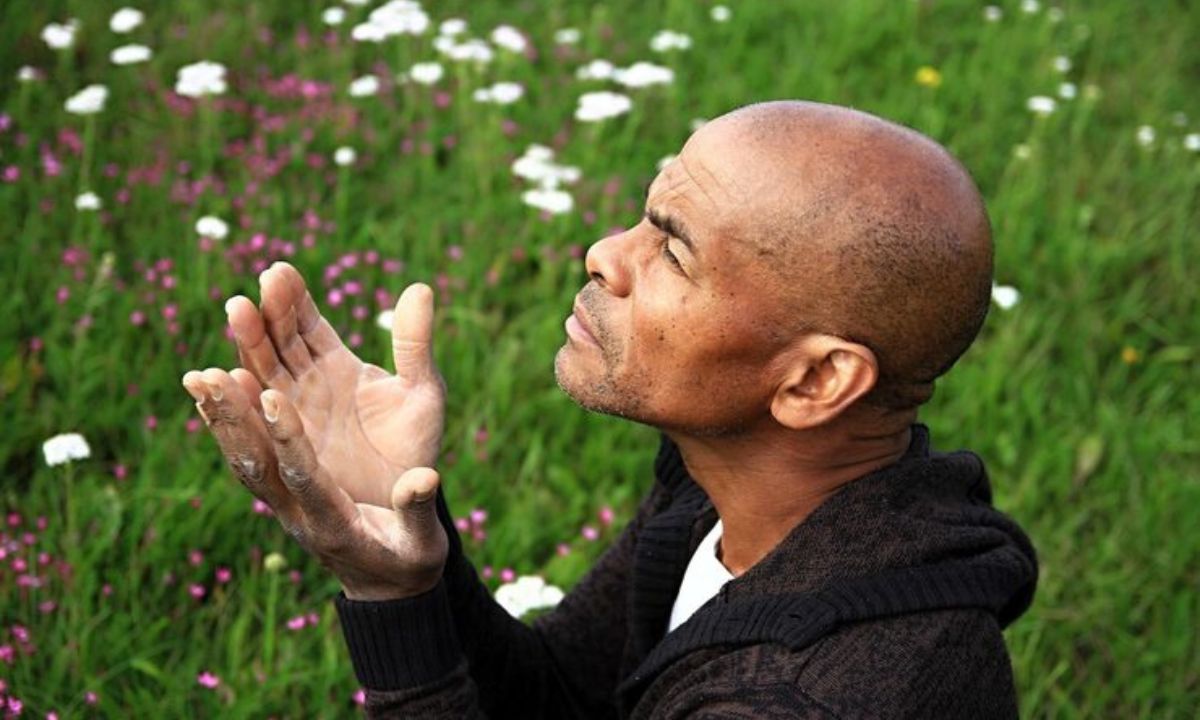
One of the most beautiful aspects of faith is prayer. Prayer allows us to release our fears, doubts, and pain before God. It is not about perfect words; it is about honesty and connection. When we pour out our struggles in prayer, our hearts begin to feel lighter.
Scripture also brings healing. Verses like:
- “Verily, in the remembrance of Allah do hearts find rest.” [Surah Ar-Ra’d (13:28)]
- “Nothing will happen to us except what Allah has decreed for us; He is our Protector.” [Surah At-Tawbah (9:51)]
- “Cast all your anxiety on Him because He cares for you” (1 Peter 5:7)
- “The Lord is close to the brokenhearted and saves those who are crushed in spirit” (Psalm 34:18)
remind us that God sees our pain and promises comfort. These words are not just religious texts; they are reminders of God’s never-ending love. Through prayer and scripture, the bond between Faith and Mental Health becomes clear. Spiritual practices give us hope when the world feels heavy.
The Role of Community in Healing
Another important part of faith is community. Being part of a church, prayer circle, or faith-based group gives us the courage to open up without fear of judgment. When we share our struggles, others can pray for us, listen, and offer encouragement. This support system is vital for mental well-being. It reminds us that we are not weak for asking for help. Instead, it shows that healing is stronger when shared.
Many believers also combine therapy with faith-based support. This balance of professional care and spiritual guidance creates a holistic path to healing. God often works through doctors, therapists, and communities to restore our minds and spirits.
Breaking the Stigma With Faith
Sadly, mental health is still surrounded by stigma in many societies. People fear that admitting their struggles will make them seem weak or “less faithful.” But faith can help us break this barrier. The Bible itself reveals that even great spiritual leaders struggled with emotional pain. For example:
- Elijah felt so overwhelmed that he prayed for his life to end.
- David wrote many Psalms filled with grief, fear, and despair.
- Job questioned everything during his suffering.
These examples remind us that struggling with mental health does not mean a lack of faith. Instead, it shows that we are human. Faith encourages compassion, grace, and acceptance for ourselves and others.

Practical Ways to Integrate Faith Into Mental Health
If you are going through emotional struggles, here are some practical steps to combine Faith and Mental Health in daily life:
- Start with Morning Prayer – Begin your day by giving your worries to God.
- Read Scripture Daily – Focus on verses that remind you of God’s promises.
- Practice Gratitude – Write down blessings, big or small, each day.
- Join a Supportive Community – Surround yourself with people who uplift you.
- Seek Professional Help Without Fear – Therapy and medication are not against faith; they can be part of God’s healing plan.
These small steps can help transform your mental outlook and strengthen your spiritual connection.
How God Brings Hope in Difficult Times
Life’s struggles may feel unbearable, but faith reminds us that pain is not the end of the story. God’s presence brings light into darkness and hope into despair.
Faith does not erase mental illness overnight. But it gives us strength, courage, and peace while we continue the journey of healing. God works through prayer, scripture, supportive communities, and even medical professionals to bring wholeness. The partnership between Faith and Mental Health reminds us that while storms may come, God’s love is stronger than any battle we face.

Final Touch
Mental health battles are real and often painful. Yet, through faith, we discover hope and strength beyond our understanding. By trusting in God, praying sincerely, leaning on scripture, and embracing community, healing becomes possible.
The connection between Faith and Mental Health is not about ignoring struggles; it is about finding courage and peace through God’s presence. Even in the darkest valleys, God walks with us, offering comfort, love, and healing. If you are struggling today, remember this truth: you are not alone, and with God’s help, brighter days are ahead.