
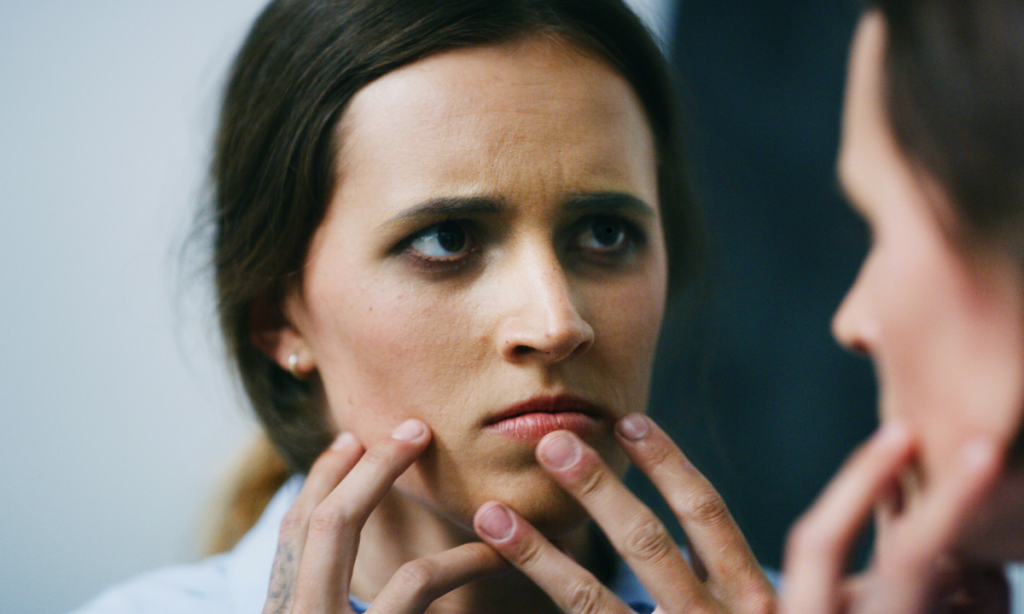
Bipolar disorder doesn’t always begin with dramatic mood swings. Sometimes, the earliest signs appear quietly, in the eyes.
Subtle changes in eye movement, focus, intensity, or expression can reflect shifts in mood before behaviour becomes obvious. In the UK, where mental health awareness is growing but early detection still matters greatly, recognising these small changes can help individuals and families seek support sooner.
The brain controls both emotion and eye movement. When mood episodes develop, the eyes may reflect neurological changes before words or actions do. Paying attention to these subtle signs can make a meaningful difference in managing bipolar disorder.
How Eyes Reflect Bipolar Disorder
The eyes are directly connected to the brain through nerves and chemical messengers responsible for emotion regulation. When bipolar disorder affects neurotransmitters such as dopamine and serotonin, it can influence how your eyes move, track, or express feeling.
These eye changes are not intentional. They are neurological responses.
People across Britain often overlook these subtle signals. However, friends, partners, or carers may notice unusual staring, rapid eye movement, reduced eye contact, or emotionally “flat” eyes before a full episode develops.
Recognising patterns early can allow for quicker support, whether through the NHS, GP referral, or private mental health care.
Eye Changes During Mania
Manic or hypomanic episodes increase brain activity. The eyes often mirror this heightened energy. Common signs include wide or intense eyes, rapid movement, or sensitivity to light. People may maintain unusually strong eye contact or seem restless.
These eye changes usually accompany high energy, less need for sleep, fast speech, and impulsive actions. The eyes can almost tell the story of a manic phase before words do.
These signs typically accompany other manic symptoms such as:
- Reduced need for sleep
- Racing thoughts
- Fast speech
- Increased risk-taking behaviour
Sometimes, loved ones notice the eye intensity before the individual realises their mood is escalating.
You can read more about manic phases in our article on Recognising Bipolar Mood Cycles.
Eye Changes During Depression
Depressive phases slow down brain activity and emotional responses. The eyes may droop, look distant, or avoid contact. Movement becomes slower, and expressions can appear flat or tired. Often, loved ones notice these changes even before the person expresses feelings of sadness or withdrawal.
Eyes in Bipolar vs Normal Emotional Changes
Everyone’s eyes react to emotion, but bipolar-related eye changes differ. Normal emotions cause brief, situation-linked changes. Bipolar disorder often causes repeated, unexplained eye changes that match mood cycles. These subtle signals can alert you to early mood swings, helping you seek support sooner.
When Do Bipolar Symptoms Start?
A common question across the UK is: When do bipolar symptoms start?
For many people, symptoms begin in the late teens or early adulthood. However, subtle signs can appear earlier.
These may include:
- Intense or restless eye contact
- Emotionally flat expression
- Periods of unusually bright or wide-eyed energy
- Noticeable shifts in attention and visual focus
When combined with changes in sleep, behaviour, and mood, these signs may indicate the need for professional assessment.
Early intervention through NHS mental health services can significantly improve long-term outcomes.
Why Eyes Reveal Mood Changes
Eyes reflect the brain’s activity. Mood episodes influence visual attention, tracking, and emotional expression. Manic episodes may make the eyes overly alert, while depressive phases slow movement and dull expression. While eye changes aren’t diagnostic alone, they provide a helpful observation point.
Faith, Awareness, and Compassion
Bipolar disorder is a medical condition- not a personal weakness.
For many people in the UK, faith offers strength during difficult periods. When combined with professional treatment and psychological support, faith can provide grounding and hope.
Scripture reminds us: “The Lord is close to the brokenhearted.” – Psalm 34:18
Compassion, awareness, and timely care can work together to improve mental wellbeing. You can explore more reflections in our Faith and Mental Health Journey section.
What to Do If You Notice These Signs
f repeated eye changes appear alongside mood shifts:
- Observe calmly without judgement
- Track mood, sleep, and behaviour patterns
- Encourage speaking to a GP or mental health professional
- Offer steady, patient support
Early recognition often reduces the risk of severe episodes and supports healthier long-term management.
If you’re unsure where to start, our Mental Health Support Resources page may guide you.
Final Thoughts
The eyes can act as a quiet mirror of bipolar disorder. Subtle shifts in expression, focus, or movement may appear before more visible mood symptoms develop.
By paying attention to these early signs and responding with understanding and professional support, individuals across the UK can manage bipolar disorder more effectively.
With awareness, structured treatment, supportive relationships, and faith, people living with bipolar disorder can lead balanced and meaningful lives.
FAQs –
1. Can eye changes show early signs of bipolar disorder?
Yes. Subtle changes in eye movement, intensity, or emotional expression may appear before noticeable mood swings.
2. What are common eye signs during mania?
Wide, intense, or overly alert eyes, rapid movement, strong eye contact, and sensitivity to light are often reported.
3. How do depressive phases affect the eyes?
Eye movement may slow. People often display reduced eye contact, drooping eyelids, and emotionally flat expressions.
4. How are eyes different in bipolar disorder compared to normal emotions?
Normal eye changes are short-lived and linked to clear events. Bipolar-related changes are cyclical and align with mood episodes.
5. When should I seek professional help?
If repeated eye changes occur alongside sleep problems, behavioural shifts, or mood instability, consult a GP or mental health specialist in the UK.