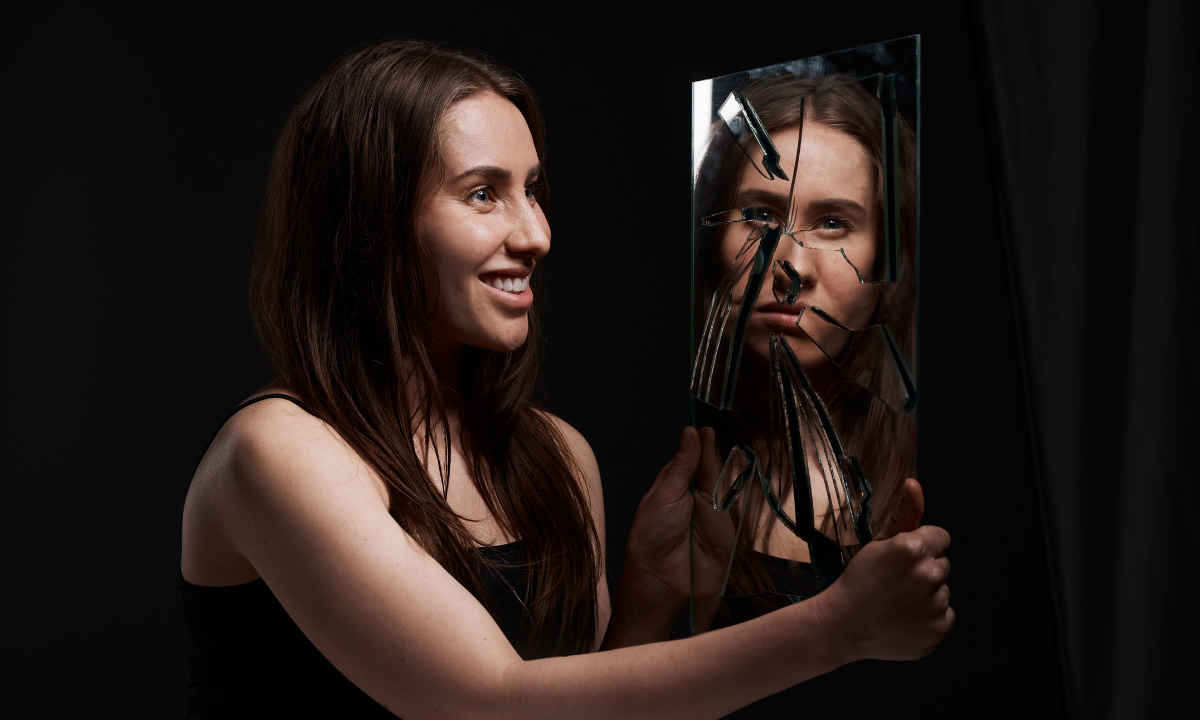

bipolar disorder can be emotionally exhausting. One of the most challenging symptoms people experience is bipolar rage a sudden wave of intense anger that can appear without warning. Unlike everyday frustration, this type of anger can harm relationships, affect work life, and leave a person feeling deeply drained afterwards.
Through resources like books about bipolar disorder, many people in the UK are learning how to understand their emotions, recognise warning signs, and build healthier coping strategies. On Prince Lawrence In God I Put My Trust, Prince Lawrence shares personal reflections and faith-based guidance to help individuals navigate bipolar disorder with hope and resilience.
Understanding the causes of bipolar rage and learning how to manage it can make a real difference in daily life.
Why Finding the Best Books is Key
You are searching for answers. You search for yourself. You search for a loved one. The information you use matters. Mental illness grows with isolation. It uses confusion as a weapon. It whispers lies like, “You are the only one who feels this.” It also whispers, “This is your life now.”
Reading is your counter-attack.
You read Books About Bipolar Disorder. You gain three things:
- Dismantle Shame: You move from isolation to connection. Your symptoms are part of a known condition. They are not a personal failure.
- Build Your Arsenal: You learn about medicine. You learn therapy options. You gain coping mechanisms. You learn mood tracking. Knowledge helps you advocate for yourself.
- Grow Empathy: Memoirs help you feel less alone. Clinical books explain the “why” behind the chaos.
This is not just a list. It is a strategy. It is a simple plan. This plan uses Christian faith, clinical facts, and community help. You need more than facts for true Bipolar Disorder Recovery. You need an anchor.

Why Mind Stops, But Faith Stays
The Science: Bipolar Disorder Affects Your Focus
Trouble reading is not a moral failure. It’s not a spiritual failure. It is a brain problem. When you are manic, your brain is flooded with chemicals. This makes focusing impossible. Thoughts race. Outside sounds become overwhelmingly loud. During depression, everything slows down. Energy is low. Motivation stops. Thinking becomes painfully slow.
This is a physical reality. It is why “trying harder” does not work. A simple explanation of chemical impact is vital. Manic and low phases change focus, memory, and comprehension. Understanding science removes the shame.
Bipolar Faith: Scripture is Your Anchor
We will look at the Best Bipolar Books soon. We must start with faith. For a person of faith, the Bible can feel confusing. We are told to “be anxious for nothing.” We are told to find “joy in all circumstances.” But what if brain chemistry blocks joy?
The fight is matching a messy mind with a perfect God. This is the core of Bipolar Faith. Many feel guilt. They think depression is a faith failure. They think mania is an unholy act. We must stop this idea. Bipolar Faith is not about fixing your brain with belief. It is about anchoring your identity outside your illness. Your symptoms are brain-based. Your worth is based on God. We use medicine and therapy for the brain wiring. We use Scripture, prayer, and community for the soul.
The Bible is not tranquil advice. It is a raw record of human emotions. It is a record of our relationship with God. Read it while thinking about mental health. It stops being a rulebook. It starts being a mirror. It shows your desperate soul.
|
Mood Swing |
Scripture Example |
Bible Verses for Bipolar (Focus) |
|
High Energy/Mania |
Psalm 146:1-2: “Praise the Lord! Praise the Lord, O my soul! I will praise the Lord as long as I live.” | Acknowledges intense feeling. Directs that energy toward God. |
|
Low Energy/Despair |
Psalm 42:5: “Why are you cast down, O my soul, and why are you in turmoil within me?” | Acknowledges turmoil. It gives a voice to the internal struggle. |
This makes the Bible powerful literature. It is for anyone seeking Christian Books About Bipolar Disorder support. It proves your chaos is not a surprise to God. Sign up for our weekly “Faith and Focus” email for a free Bible reading plan that is easy to concentrate on.

Reading Christian Books: Find Empathy in Shared Belief
Scripture is important. The comfort of Christian Books About Bipolar Disorder is also important. This comfort comes from a shared worldview. Reading stories from authors who struggle offers powerful proof. They struggle with health. They still believe in God. Your illness is not a punishment. Your faith is strong enough. These resources help match clinical facts with spiritual truth. This makes the path forward feel less lonely.
The Power of Reading
More Than Therapy: Reading Changes Your Bipolar Brain
Secure your spiritual anchor first. Next, build your practical boat. Willpower alone cannot fight a brain condition. You need strategy. You need insight. You need an outside perspective. This is where a Bipolar Disorder Reading plan helps. Deep reading helps your brain. It increases focus. It helps emotional regulation. It is non-medication support. Read even for short times. You actively exercise the parts of the brain you need. These are the parts used for self-control and emotional regulation.
Bipolar Memoirs: You Are Not Alone
These books are your mirrors. They offer connections. They validate your feelings. They offer proof of survival. They teach you the “why.” They explain why the struggle feels so isolating. They show your experience is normal for Bipolar Disorder Survival. Reading a memoir is like having coffee with a friend who understands. No long explanations are needed.
From Crisis to Clarity: Books Help Recovery
Read from both book categories equally. Knowledge without empathy is cold. Empathy without knowledge is useless. Together, they create a full recovery plan. This is for Bipolar Disorder Recovery. Use books as consistent guides. Use them throughout the long journey. Do not use them just when things are bad. They provide the consistency that your illness often takes away.
The 8 Best Bipolar Books
Essential Reading for Bipolar Disorder Survival
This list offers the best tools. They help both the mind and the heart. We chose books highly recommended by doctors. They also resonate with people living with the condition. We cover Clinical Guides (your map) and Memoirs (your mirror).
Recommended Books: Clinical Guides and Memoirs
- The Bipolar Disorder Survival Guide (Third Edition) by Dr. David Miklowitz. Type: Clinical. / Benefit: A must-have map. It gives practical, proven coping strategies. It is a foundational resource for patients and families.
- Loving Someone with Bipolar Disorder by Julie A. Fast. Type: Clinical. / Benefit: This is a crucial guide for partners and family. It gives simple ways to talk and build a helpful home life. It focuses on the disorder’s effect on loved ones.
- Bipolar, Not So Much by Dr. Chris Aiken. Type: Clinical. / Benefit: Helps refine the diagnosis. It helps treat less-severe types, like Bipolar II. It is perfect if you suspect Bipolar but don’t fit the classic type.
- The Complete Idiot’s Guide to Bipolar Disorder by Dean A. Haycock. Type: Self-Help. / Benefit: A very easy-to-read overview. It simplifies complex brain science. It is the best starting point if medical texts feel too hard.
- An Unquiet Mind by Dr. Kay Redfield Jamison. Type: Memoir. / Benefit: The top memoir in the field. A psychiatrist tells her own Bipolar I story. It mixes medical insight with deep, personal writing.
- Madness: A Bipolar Life by Marya Hornbacher. Type: Memoir. / Benefit: A very honest chronicle. It covers Bipolar I from a young age. It is honest about extreme mood swings and co-occurring struggles.
- Haldol and Hyacinths by Melody Moezzi. Type: Faith/Memoir. / Benefit: A sharp, funny, and faith-centered memoir. The author is a Persian-American writer. It mixes faith, culture, and humor into the recovery story.
- Manic: A Memoir by Terri Cheney. Type: Memoir. / Benefit: A gripping account. It focuses on manic episodes. It shows their destructive financial and social consequences. It is a clear look at unchecked mania.

How to Read with Bipolar Disorder
The biggest problem is not finding the book. It is staying focused. Your mental state actively sabotages your focus. You need a strategy that changes with your mood swings. You do not need a plan that demands perfect concentration.
The “Micro-Reading” Method: Low-Focus Reading
Focus is often low. This happens during depression. Racing thoughts happen during mania. Sustained reading is impossible. Switch to the “Micro-Reading” method:
- Audio is Key: Audiobooks are your best friend. They let you listen passively. You can do low-energy things like walking or chores. This avoids the need for hard visual focus.
- 5-Minute Blocks: Set a timer for five minutes. Commit only to those five minutes. If the timer goes off, and you want to keep reading, keep going. Stop without guilt if you are done. This makes the commitment feel small.
- Highlight Key Facts: Do not worry about reading every word. Scan chapter titles. Scan headings. Scan lists. Highlight only one or two sentences. They should feel important. They should give an immediate, useful fact. This helps you get key information with little effort.
The “3-Tier” Filter: Choose the Right Book
Never read a book just because it is next. Your emotional state is the most important filter. Choose content based on how you feel right now:
- Practical Tier (For High/Manic States): Choose structured, clinical guides. Your mind is racing. It needs clear rules. It needs practical steps. Avoid memoirs. They can sometimes make racing thoughts worse.
- Comfort Tier (For Low/Depressive States): Choose hopeful memoirs. You need empathy. You need connection. You need proof that others survived. Avoid complex clinical guides. They require too much analytical thinking.
- Depth Tier (For Stable States): Choose complex clinical texts. Choose faith-integration books. This is the time to build systems. Refine your understanding of your diagnosis. Deepen your Bipolar Faith.

Sharing Your Story is the Final Step
From Private Struggle to Community Strength
You read the memoirs. You learned the clinical facts. Now, this knowledge must move. It moves from consuming to giving. Bipolar Disorder Survival is an act of community. You felt relief when an author understood you. That relief is a gift to share.
Reading gives you the unique vocabulary of your illness. Sharing that vocabulary ends the isolation for the next person. Talk about what you learned. Share which Books About Bipolar Disorder helped. Share which Bible verses anchored you. You change from receiving hope to being a source of hope.
Join the Conversation: Our Support Group
The insights you gained should be tested. They should be discussed. They should be deepened with others. This is how book knowledge becomes lived wisdom. Click here to join our private community forum. Discuss these Books About Bipolar Disorder, share your favorite takeaways, and connect with others fighting the good fight.
Your Custom Reading Roadmap
Phase 1-3: Your Personalized Reading Plan
Use this roadmap to plan your reading. It should match your current phase of recovery:
- Phase 1 (Crisis/New Diagnosis): Focus only on stabilizing right now. Reading should be limited. Use the Comfort Tier (memoirs for proof). Use the Micro-Reading method. Read only short, powerful chapters. They must confirm, “You are not alone.”
- Phase 2 (Active Treatment): Focus on the Practical Tier (clinical guides). Use the knowledge now. Use the book to start a mood chart. Create a plan to stop relapse. Talk better with your doctor.
- Phase 3 (Maintenance/Thriving): Focus on the Depth Tier (advanced texts and faith books). This is the time to read for deep insight. Read for spiritual growth. Read for long-term prevention. Find Christian Books About Bipolar Disorder that challenge your faith.
Continuous Learning: New Books to Watch For
Mental health conversations always change. New research happens. Better treatments arrive. New voices speak honestly. Do not let your recovery plan stop. Mental health is a moving field. Staying current with new books helps long-term stability. Commit to reading one new book a year. It should be about bipolar disorder, psychology, or faith.

Conclusion (The Anchor Holds)
8.1. The Page Is Always Open
You faced the chaos of bipolar disorder head-on. You anchored yourself in Bipolar Faith. You found your tools. These tools are the clinical guides and the memoirs. True stability in Bipolar Disorder Recovery is not a perfect state. It is consistent, daily work. This work is seeking knowledge and grace.
The books you read are essential companions. They do not judge you. They are scientific guides. They are deeply personal Bipolar Memoirs. They prove that complexity is not a curse. Healing is always a process. It is never a final goal. The page is always open. It is ready to give you stability in the story. Rest knowing your worth is settled. Your struggle is understood. The anchor of grace holds fast.
Common Questions – (FAQ’s)
Is it safe to read self-help books during a manic episode?
Answer: Reading during a manic episode can feel too much. It can cause obsessive focus. Your goal when high should be calm. It should not be hard thinking. It’s safer to read very short, simple texts. Try audiobooks if you can listen. Focus on medicine and talking to your doctor first.
Memoir or clinical guide? How do I choose?
Answer: It depends on what you need. Memoirs offer emotional comfort. They offer hope. Clinical guides offer practical skills. They explain symptoms. They give tools for doctor talk. Most people should read both kinds. Use the 3-Tier Filter (Section 5) to choose. It is based on how you feel right now.
Should I stop reading if I feel overwhelmed?
Answer: Yes, absolutely. Put the book down right away if it causes anxiety. Put it down if it triggers a bad feeling. Reading must be a tool for healing. It should not cause harm. Take a break. Read something lighter. Talk to your therapist about the content before you start again. Always keep your mental safety first.
Which Bible Verses for Bipolar are best for mood swings?
Answer: Choices vary. Many find comfort in verses about peace and stability. Examples are Philippians 4:6-7 (giving worries to God) or Isaiah 41:10 (God’s strength is there). Focus on short, easy-to-remember verses. You can repeat them when you are stressed. They provide anchors when the world feels like it is spinning.