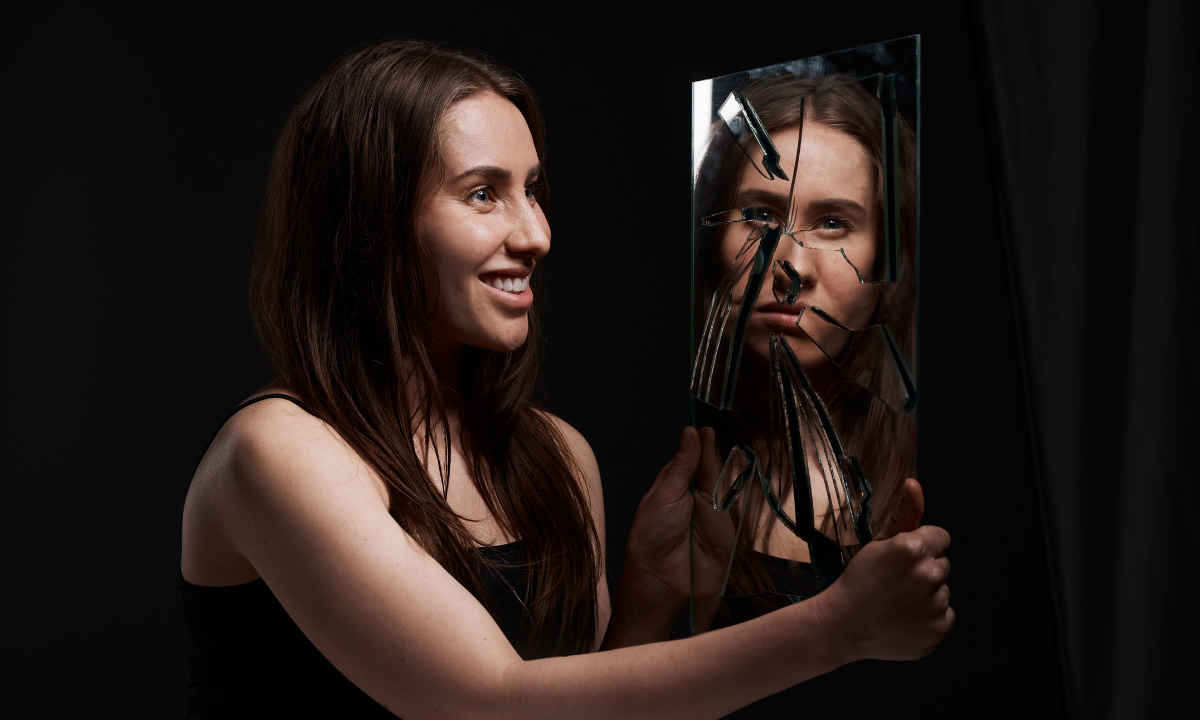

I know exactly how you feel right now. I have been in your very same shoes. My first diagnosis felt totally wrong. It was terrifying and confusing for me. I was misdiagnosed bipolar multiple times. It took me years to find my true self. I understand why you feel so lost. Your frustration is completely valid now. It is fueling intense anxiety after a misdiagnosis. I know you seek genuine, lasting clarity in finding bipolar. You need a safe space to process this. My supportive faith-based support community is here. I offer you a great starting point today. Try my simple, confidential assessment tool. It is your first step toward real clarity. It guides your thoughts for professional help.
Understanding Bipolar Misdiagnosis: Why It Happens
I know doctors sometimes struggle to find the truth. I have lived through this struggle myself. My own journey confirms this fact. Bipolar symptoms often overlap with other issues. This is why a misdiagnosis of bipolar disorder occurs. It happens to so many of us. I call this a differential diagnosis challenge. They must carefully rule out other conditions. They start with a list of possibilities.
Common Conditions Mistaken for Bipolar Disorder
I have seen doctors confuse many things. For example, major depressive disorder is common.
- Major Depressive Disorder: This mental illness is often confused with bipolar. It has terrible lows and deep sadness. But it completely lacks the true manic highs.
- Borderline Personality Disorder: This also has intense mood changes. Those shifts are rapid and very short-lived. They are not distinct, long episodes.
- ADHD: Sometimes doctors confuse it with bipolar vs. ADHD. Both cause high energy and impulsivity. But ADHD lacks the extreme mood swing core.
- Cyclothymia: This type is a much milder mood disorder. It involves chronic but less severe shifts. It sits on the mood disorder spectrum.
Your doctor must look for the full pattern. They must watch the timing of all episodes. This helps them find the right answer.

Factors Contributing to Misdiagnosis
There are many misdiagnosis causes to consider. The symptom overlap is the biggest problem. Depression is a core bipolar phase. Patients only seek help during a deep low. They forget to mention the intense highs. This leads to a simple depression diagnosis. Hypomania is also easy to miss. It can feel like a productive period. I often missed my own hypomania. You may not mention it to your doctor. The nature of episodic mood swings is complex. Symptoms change drastically over time. Drug or alcohol use confuses the picture. Past trauma can look like Bipolar II. The diagnostic process is very difficult. It needs time, trust, and great detail. Be brave and share your whole truth.
Differential Diagnosis: Seeking the Right Answers
You need to seek the right answers now. This requires a careful clinical look. I must explore every possibility.
What Is Differential Diagnosis?
What is a proper differential diagnosis? It is a clinical method doctors use. They compare your symptoms to several disorders. They start with a list of possibilities. They use systematic testing and checking. They work to eliminate each condition. This deliberate process is very important. It ensures the final diagnosis is accurate. It is a thorough rule-out process. Clinicians use specific clinical assessment tools. They gather information from many sources. They may talk to your family too. They are looking for precise symptom criteria. This careful checking prevents more misdiagnosis. Trust your doctor through this slow process. They are working hard to find the truth.
Common Comorbidities in Bipolar Disorder
Sometimes you have two conditions at once. This is known as comorbidity diagnosis. Bipolar disorder often arrives with friends. Many people also struggle with anxiety disorder. General anxiety can feel overwhelming. Post-Traumatic Stress Disorder (PTSD) is common. PTSD symptoms can resemble mood shifts. Substance use and bipolar disorder are often linked. People try to self-medicate their moods. This makes diagnosis incredibly difficult. The treatment plan must address both issues. Addressing only one will not work. These bipolar comorbidities impact presentation. It means your symptoms look more complex. The disorder is rarely a single thing. A careful doctor will look at everything. They must treat your whole person, too. This is the path to long-term healing.

How Our Faith-Based Assessment Provides Initial Clarity
You need to gather information yourself now. My assessment tool is here to help you. It provides initial clarity for your journey.
Assessment vs. Diagnosis: Setting Expectations
I created this tool because I desperately needed it. After several wrong diagnoses, I had to track things myself. You need to know the clear distinction now. My tool is a bipolar self-assessment. It is not a formal medical diagnosis at all. Only a licensed psychiatrist can do that. My faith-based assessment offers something different. It is a structured moment of deep reflection. It helps you gain initial clarity immediately. It allows you to track your true patterns. This process empowers you before your visit. You gather crucial information yourself. The tool focuses on honesty and grace. It prepares you to talk to your doctor. It helps eliminate fear of another bipolar misdiagnosis. This self-reflection is a powerful first step.
Walking Through the Assessment Questions
I designed my assessment questions very carefully. They focus on the history of your moods. I ask about mood frequency and duration. I ask about the impact on your daily life. You rate the severity of high and low feelings. I encourage quiet, honest faith reflection. Consider when you felt closest to God. Think about times you felt most distant. Be very honest with your answers now. Do not minimize the worst of your lows. Do not forget the power of your highs. This self-reflection bipolar process takes courage. It shows you exactly what the patterns are. It helps you speak clearly to your doctor. It makes your diagnosis more accurate.
Combining Medical and Spiritual Counsel
You need both clinical help and faith support. Finding the right balance is key to healing. I encourage you to use both resources.
When to Consult a Mental Health Professional
Your assessment gave you much-needed clarity. Now is the time to seek professional help. Find a qualified, caring psychiatrist today. They specialize in medication management. They can confirm a psychiatrist’s diagnosis. Do not fear the process at all. When you go, discuss your previous misdiagnosis openly. Tell them my story if you need to. I had to learn how to advocate for myself. Bring your assessment results with you. Explain your complete mood history carefully. This misdiagnosis follow-up is very important. It prevents previous errors from happening. Finding the right doctor is vital now. This is a crucial act of self-love. It ensures you get proper treatment.
Integrating Faith and Clinical Guidance
I strongly believe in holistic support for you. Healing requires both science and spirit. I encourage constant spiritual counsel. Prayer can stabilize your anxious mind. Scripture offers hope and a deep perspective. Share your struggles with a trusted pastor. They can provide true spiritual guidance. Faith and medicine work together wonderfully. Your doctor manages the chemical part. Your faith supports your inner spirit. I encourage partnering with spiritual mentors too. They should work alongside your clinician. They help you find enduring strength daily. This integrated approach brings complete healing. Do not choose one over the other now. Use both for your full recovery.

What the Bible Says About Community and Mental Health
The Bible offers strong guidance for us now. It provides deep wisdom for your mental health. Scripture addresses our deepest suffering too. It speaks clearly about community and support. I believe your faith is a powerful anchor.
Finding Strength in Biblical Fellowship
God never intended for you to be alone. He created us for real connection. The Bible calls this true fellowship. We are meant to carry heavy burdens. This is true spiritual faith-based support. I look to Galatians 6:2 for guidance: Bear one another’s burdens, and so fulfill the law of Christ. Isolation feeds deep fear and sadness. The community breaks these chains completely. I offer prayer and encouragement daily. My faith group is a safe haven for you. This is where real healing can start.
Biblical Hope for the Anxious Mind
The Bible speaks often about anxiety. It understands the anxious mind’s struggle. Philippians 4:6−7 gives clear counsel to you. It says, “Do not be anxious about anything, but in every situation, by prayer and petition, with thanksgiving, present your requests to God.” And the peace of God, which transcends all understanding, will guard your hearts and your minds in Christ Jesus. Do not be anxious about anything at all. Instead, take your requests to God. His peace transcends understanding immediately. That peace guards your heart and mind. I offer this spiritual counsel to bipolar daily. Cast your burdens onto the Lord always. He truly cares deeply for you. Find your hope in His promises today. Your spiritual health matters greatly to me.
The Divine Call for Compassion
The divine call is always compassion. God requires us to show real mercy. We must treat others with deep kindness. I want you to extend this to yourself. You deserve patience and grace now. Psalm 34:18 shows God’s closeness here: The Lord is close to the brokenhearted and saves those who are crushed in spirit. This powerful truth applies to your struggle. Your illness is not a failure of faith. It is a condition needing deep care. Trust God’s love in every difficult season. He offers genuine healing and peace.
Next Steps: Embracing Clarity and Community
I am living proof you can embrace clarity. I have been finding clarity about bipolar for years now. You took the very first step today. You started finding clarity after misdiagnosis. Your journey from lost to found begins here. I offer two clear and immediate actions now.

Taking the “Am I Bipolar?” Assessment
You have come so far already today. Do not stop short of true clarity now. This is your most important next step in bipolar action. Take my simple bipolar self-assessment tool. It is completely private and totally free. It provides initial insight right away. Use it to organize your mood history. Bring the results to your new doctor. Click the link below to begin now. This is a brave move toward healing.
Joining Our Faith-Based Support Network
You do not have to walk this road alone. I invite you to join the bipolar community now. My faith-based support group is here. Find fellowship with truly understanding people. You can share your struggles openly now. You can grow in spiritual truth together. Find peace and acceptance within our group. This is a safe place for every struggle. Let me help you feel less lost. Click the link to join my network today.
FAQ
How long does it usually take to get a correct diagnosis?
It often takes many years. Misdiagnosis is sadly very common. I experienced this multiple times. Do not give up hope in the process. True clarity is absolutely worth the effort.
Can my faith prevent or cure bipolar disorder?
Faith gives you incredible strength. It does not prevent a medical illness. Bipolar is a chemical condition. Your faith helps you endure the struggles. It provides deep spiritual guidance.
Is your self-assessment tool a replacement for a doctor’s visit?
Absolutely not at all. My tool offers self-reflection only. It helps you prepare for your doctor. Only a mental health professional can diagnose you. My tool prepares you for that vital step.
What if I am still unsure after taking the self-assessment?
That feeling is perfectly normal and valid. Use the results to guide your doctor. Talk to a spiritual mentor as well. Clarity is a long process, not one event. Keep seeking truth and peace now.
How do I find a mental health professional who respects my faith?
Look for providers who mention holistic care. You can ask about their view on spirituality. Your faith is a part of your whole health. It is okay to interview doctors first.