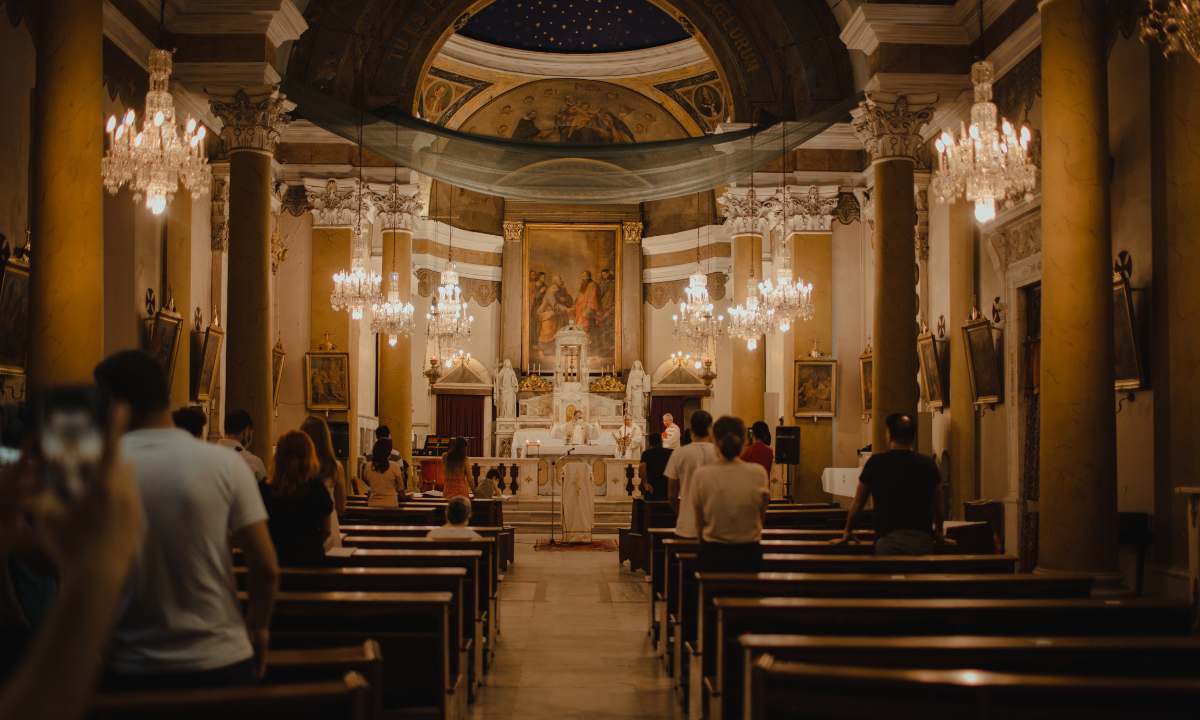

You feel so lost right now. This heavy confusion is completely overwhelming. You may be facing massive mood swings. These shifts can feel chaotic and very frightening. You might be asking deep questions right now. What is bipolar disorder? What does this mean for your future? Is there any genuine hope for you? I want you to know something important today. You are not alone in this difficult struggle. Your feelings of confusion are absolutely valid. My supportive faith-based support community is here. I focus on finding clarity and light together. I provide a safe space for real conversation. I understand the unique challenges of bipolar disorder. I integrate spiritual hope with practical tools. This journey starts with discovering the truth. I offer you a simple self-reflection tool. This assessment can guide your next steps now.
What Is Bipolar Disorder? Understanding the Basics
Many people ask, what is bipolar disorder? It is a genuine mental health condition. This condition causes unusual shifts in mood and energy. It dramatically affects your ability to function daily. This is much more than just having a “bad mood.” Bipolar disorder involves distinct and powerful episodes. These severe changes are noticeable to others. Understanding the basics is your very first step. Knowledge replaces fear with solid facts.
Bipolar Definition and Core Characteristics
The bipolar definition centers on extreme mood cycles. It describes periods of intense high energy. It also includes long periods of severe low energy. The medical definition describes a brain disorder. It impacts your mood, activity, and sleep. These shifts are known as manic episodes and depressive episodes.
A manic episode is a period of high energy. You may feel overwhelmingly joyful. You might feel unreasonably powerful. This feeling lasts for a week or even longer. You might sleep very little at all. You make quick, impulsive decisions. Your thoughts race incredibly fast. You may spend lots of money quickly. This episode feels good at first. However, it can become dangerous quickly.
A depressive episode is the opposite feeling. This period involves extreme sadness. You lose interest in nearly everything. You feel constantly drained of all energy. The lack of energy is overwhelming. You struggle to get out of bed. Suicidal thoughts may unfortunately occur. This depressed mood lasts for at least two weeks. You cycle between these two opposite states. These severe mood swings characterize the disorder.

Common Signs You Might Recognize
You might recognize certain signs in your own life. Look for clear emotional patterns. Do you have sharp mood changes? These powerful shifts are common bipolar symptoms.
Signs During a High Phase:
- You suddenly feel completely unstoppable.
- You talk incredibly fast to everyone you meet.
- You take on way too many new projects.
Signs During a Low Phase:
- You feel totally numb and empty inside.
- You withdraw from family and close friends.
- Simple daily tasks feel completely impossible.
- You might oversleep many hours every day.
Recognizing these destructive patterns is crucial now. It is your first step toward finding lasting health.
Bipolar I vs Bipolar II: Key Differences Explained
Many people confuse the two main types. They are often called bipolar I vs bipolar II. Both involve mood swings. However, the severity of the “highs” is different. Understanding the types of bipolar is essential now. This knowledge helps you seek the right support.
Bipolar I Disorder Characteristics
Bipolar I disorder involves manic episodes. These episodes are very severe indeed. The intense high mood is very distinct. The mania lasts for seven consecutive days. It can be so disruptive to your life. Sometimes, you need hospitalization immediately. The symptoms are undeniably clear to others. You lose touch with reality sometimes. This is called psychosis or delusional thinking. These severe mania periods can alternate with depression. You do not need a depressive episode for a Bipolar I diagnosis. Though most people experience both extremes.
Bipolar II Disorder Features
Bipolar II disorder does not include full mania. Instead, it involves hypomania. Hypomania is a milder form of the “high.” It is not as severe as manic episodes. The mood is noticeably elevated. You may feel more productive than normal. Your family might notice the change too. Hypomania generally lasts four days or less. It does not severely impair your daily functioning. It is not severe enough for a hospital stay. However, people with Bipolar II often suffer more. They spend much more time in depressive episodes. Their long, deep lows are often the main problem. Depression is often very debilitating for them.

Side-by-Side Comparison Table
Knowing the differences between bipolar types helps you. This comparison highlights the key features. The goal is clear understanding. It helps you recognize your own struggles better. I am creating a simple visual guide now. This guide clarifies the bipolar comparison immediately.
| Feature | Bipolar I Disorder | Bipolar II Disorder |
| High Episodes | Full Manic Episodes | Hypomanic Episodes |
| Duration of High | 7 days (or any duration requiring hospitalization) | ≤ 4 days |
| Severity of High | Severe; often disrupts life; may involve psychosis | Milder; noticeable change; rarely disrupts life severely |
| Depressive Episodes | Common, but not required for diagnosis | Required for diagnosis; often the primary problem |
| Impact | Defined by severe manic episode | Defined by major depressive episodes and hypomania |
Cyclothymia: The Lesser-Known Bipolar Spectrum
The mood disorder spectrum is very wide. Not everyone fits into Bipolar I or Bipolar II. Cyclothymia is another distinct category. It is a milder, chronic mood disorder. It is sometimes called cyclothymic disorder. It is important for you to know about this condition.
Understanding Cyclothymia Symptoms
Cyclothymia involves many mood swings. These shifts are noticeably persistent. They are, however, milder than Bipolar I or Bipolar II. You have periods of hypomanic symptoms. You also experience periods of depressive symptoms. The highs and lows are present constantly. These chronic mood swings persist for at least two years. The symptom-free periods last less than two months. The symptoms are disruptive. They are not severe enough to be a full episode. This makes the condition tricky to recognize. People often think it is just a personality trait. They believe they are just “moody” people.
How Cyclothymia Differs from Other Types
Cyclothymia vs bipolar is a key distinction for me. The main difference is the intensity level. Cyclothymia involves milder mood elevation. The lows are also less severe. You never meet the full criteria for Bipolar I mania. You never meet the full criteria for Bipolar II depression. Cyclothymia is still a valid disorder. It requires professional attention too. It sits on the milder end of the mood disorder spectrum. It is still a significant challenge daily. Finding proper support is absolutely critical.
Am I Bipolar? Self-Reflection Through Faith-Based Assessment
You have learned a lot of new terms now. You might be connecting this to your life. The question keeps repeating in your mind. Am I bipolar? This question is natural and important. It shows you want to find the truth. I offer a private place for initial self-reflection.

The Role of Self-Assessment (Not Diagnosis)
It is crucial to be extremely clear here. This is a bipolar assessment tool only. It is not a medical diagnosis at all. Only a doctor can give you a real diagnosis. I offer a self-reflection tool. It is designed to help you organize your thoughts. It lets you review your specific symptoms. It helps you identify clear patterns. This tool prepares you for a doctor visit. It guides your thoughts for professional help. The self-assessment is your starting point now. It helps you ask the right questions later. Asking am I bipolar is a brave step.
How Our Faith-Centered Assessment Works
My faith-based assessment is unique. I combine clinical symptom patterns carefully. I pair this knowledge with spiritual reflection. It helps you see your struggles clearly. I emphasize the element of community connection. This tool helps you see patterns now. After completing the assessment, you receive resources. These resources point you to my bipolar community. You will find others on a similar path. The focus is on spiritual support and understanding. The assessment is completely private. It is your first step to discovering the truth.
Professional Diagnosis: When to Seek Help
Self-reflection is the first vital step now. The next crucial step is professional help. A proper bipolar diagnosis is life-changing. It finally gives your struggle a name. It opens the door to effective treatment options. You need to see a qualified mental health expert. This is a vital act of self-care now.
Understanding Bipolar Diagnosis Criteria
A psychiatrist’s diagnosis follows strict guidelines. They use the DSM-5 criteria carefully. They will ask about your complete history. They look for specific episode durations. They determine if you met bipolar diagnosis criteria. For Bipolar I, they look for full mania. For Bipolar II, they look for hypomania and depression. They will rule out other conditions too. Thyroid issues can mimic mood changes. Drug or alcohol use can confuse things. They need to see a pattern over time. This process is thorough and completely necessary. The mental health professional is your guide.
Preparing for Your Doctor Visit
Preparation reduces your anxiety greatly. You should prepare for your bipolar doctor visit. Write down all your mood episodes now. Note the dates of your highs and lows. Include all the specific symptoms you felt. Write down how long the shifts lasted. Mention any family history of mood disorders. List every medication you currently take. Take a trusted family member along. This is excellent diagnosis preparation. They can offer an outside perspective. This preparation will save valuable time. It helps the doctor assess you accurately.

Finding Hope Through Faith-Based Community Support
Diagnosis is not the finish line at all. It is only the beginning of a long journey. The path to wellness needs support. You should not walk this road alone. Finding faith-based bipolar support is key. My bipolar community offers real connection.
The Power of Shared Experience
My faith community provides real comfort now. You can find a bipolar support group here. You share your story with understanding people. They know exactly what you are feeling. They have walked through deep lows too. The power of shared experience is incredible. It replaces isolation with genuine belonging. You learn practical coping strategies quickly. You remember God is always present. You find strength in collective faith. This spiritual fellowship truly heals.
Spiritual Approaches to Mental Wellness
I believe in whole-person wellness always. This includes your spiritual health now. Integrating faith–based mental health is vital. Prayer can offer incredible peace. Scripture provides enduring hope daily. I emphasize the role of quiet meditation. This helps stabilize your inner spirit. I encourage connecting with your Creator. This foundation is immovable and strong. I seek spiritual wellness together daily. I focus on biblical hope in all things. Your faith is a true source of strength. It is not a replacement for medicine. It is a powerful partner in your recovery.
Your Next Steps: From Lost to Found
You took the very first step today. You started discovering the truth about bipolar. Your journey from lost to found begins here. I offer two clear and immediate actions now.
Taking Our Bipolar Assessment
Do not wait to gain initial clarity. Your bipolar assessment is ready now. It is a quick and private tool. It helps you recognize your patterns. This assessment tool provides instant insight. It guides your conversation with a doctor. This is your most important next step now. Click the link to begin immediately.
Joining Our Faith Community
Do not face this difficult challenge alone. My faith-based support awaits you now. I offer ongoing fellowship and care. This is a safe space for real healing. I offer resources and group discussions. Come join the community today for comfort. Find enduring hope and understanding here. This bipolar fellowship is truly a gift.